ADHD
ADHD paralysis: why you get stuck and how to start tasks
What ADHD paralysis is, why starting a task can feel impossible, and six small steps that help you get moving when you're frozen at the desk.

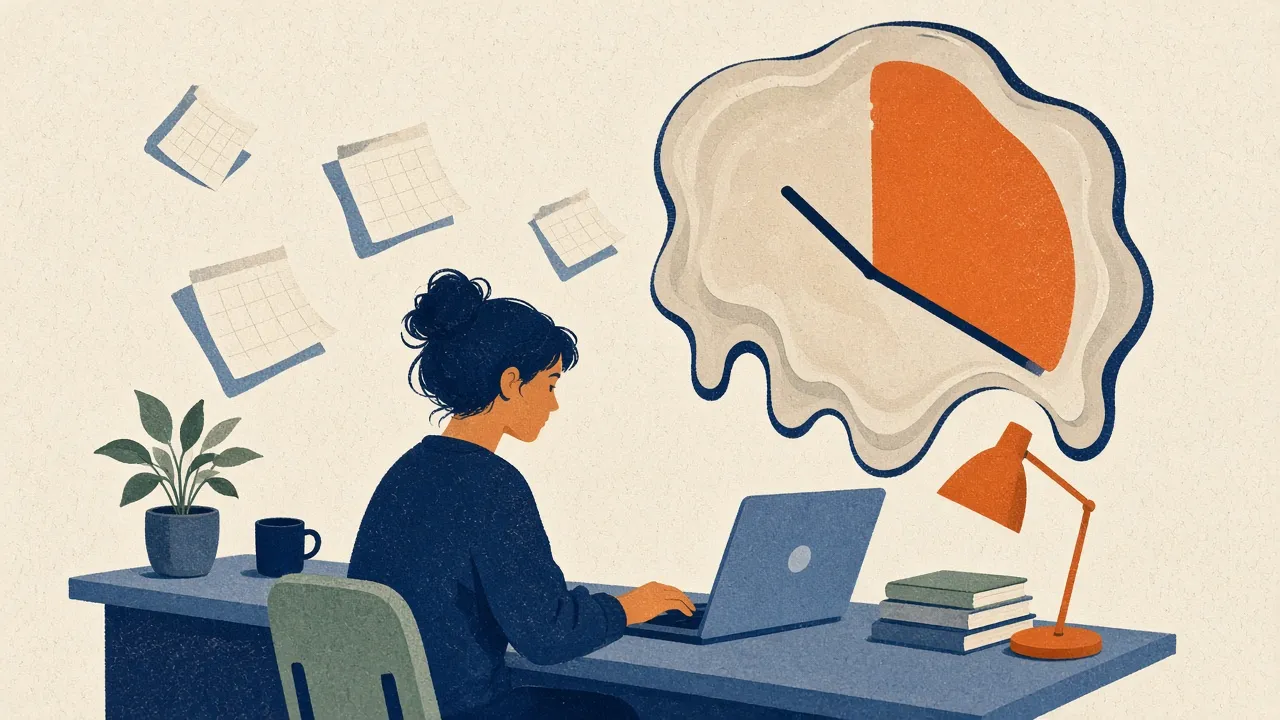
Your laptop is open and the cursor is blinking in an empty email draft. You know what to say. Your afternoon depends on sending it. Forty-five minutes later you're still staring at the screen, your chest is tight, and your brain is busy planning how to reorganize the bookshelf.
From the doorway, you look lazy. From the inside, it feels like pushing on a door that won't move.
People call this ADHD paralysis. It isn't a formal diagnosis, but it names something real: the gap between knowing what you want to do and actually starting.
What people mean by ADHD paralysis
The DSM-5-TR doesn't list it. The phrase grew out of ADHD communities to describe a pattern: you have the time and the tools, and you still can't begin.
It's not motor paralysis, and it's not catatonia. Your muscles work fine. If a fire alarm went off, you'd be out the door.
It's also not ordinary procrastination. Procrastinating usually means choosing to put something off, often without much distress. Paralysis hurts. You sit there frozen and furious at yourself while the anxiety climbs. Nobody's enjoying that delay.
Dr. Michael Manos of the Cleveland Clinic describes it as a reluctance to engage in effortful, directed attention. Dr. Larisa Litvinov of the Child Mind Institute frames it as a pileup of weak time management, shaky prioritizing and trouble getting started.
Why starting is so hard
One widely discussed explanation comes from Russell Barkley. In a 1997 paper in Psychological Bulletin, he argued that ADHD is mainly a problem with executive functions: the brain's system for turning what you know into what you do, at the moment you need to do it. In his framing, people with ADHD usually know what to do. They struggle to do what they know.
Thomas E. Brown proposed a model that sorts executive functions into six clusters. The first is activation: organizing materials, estimating time, prioritizing and getting started. That's the cluster paralysis lives in.
Why does it fail? Researchers have pointed to differences in dopamine signaling, particularly in how the brain handles reward and motivation, as one piece of the puzzle. Without novelty, urgency or real interest, the push to begin may not arrive. It's a model, not a settled map of the brain.
Some clinicians and writers also describe a freeze response: when a task feels huge, vague or threatening, the body reacts as if it's under threat. That's one popular explanation, and it fits how many people describe the experience, but it isn't proven for ADHD.
Either way, the practical lesson holds. You can't think your way out of it with more effort. You change the setup.
Four kinds of freeze
Not every episode feels the same. These four patterns are common. Two of them, too many choices and no clear first move, lean on prioritizing and planning, which ADDitude lists among the executive function difficulties linked to ADHD.
Too many choices
Your list has fourteen items: six client emails, the dishes, a pharmacy call, a car registration, a slide deck. Everything looks equally urgent. Your working memory tries to hold it all, overloads, and you do none of it.
Perfectionism
You picture the flawless version of the project. The distance between that and what you can produce today feels huge. Starting means risking a bad result, so you don't.
No clear first move
"Clean the garage." "Work on marketing." "Figure out health insurance." Those aren't tasks. They're projects. If you can't picture the first physical action, you can't judge the effort, and the whole thing turns into a fog.
Boredom
Some jobs freeze you because they're dull: expense receipts, sorting laundry, reading terms and conditions. No novelty, no payoff, nothing to pull you in. You end up staring at the ceiling.
Six steps to start when you're stuck
You don't need more discipline. You need the first step to be smaller than your resistance.
1. Shrink the first step to under two minutes
The usual mistake is trying to solve the whole project. If a twenty-page report has you frozen, telling yourself to "write section one" won't help.
Make the step almost silly. For an email, open the mail app. For a messy kitchen, put two forks in the dishwasher. You're not trying to finish. You're trying to get moving.
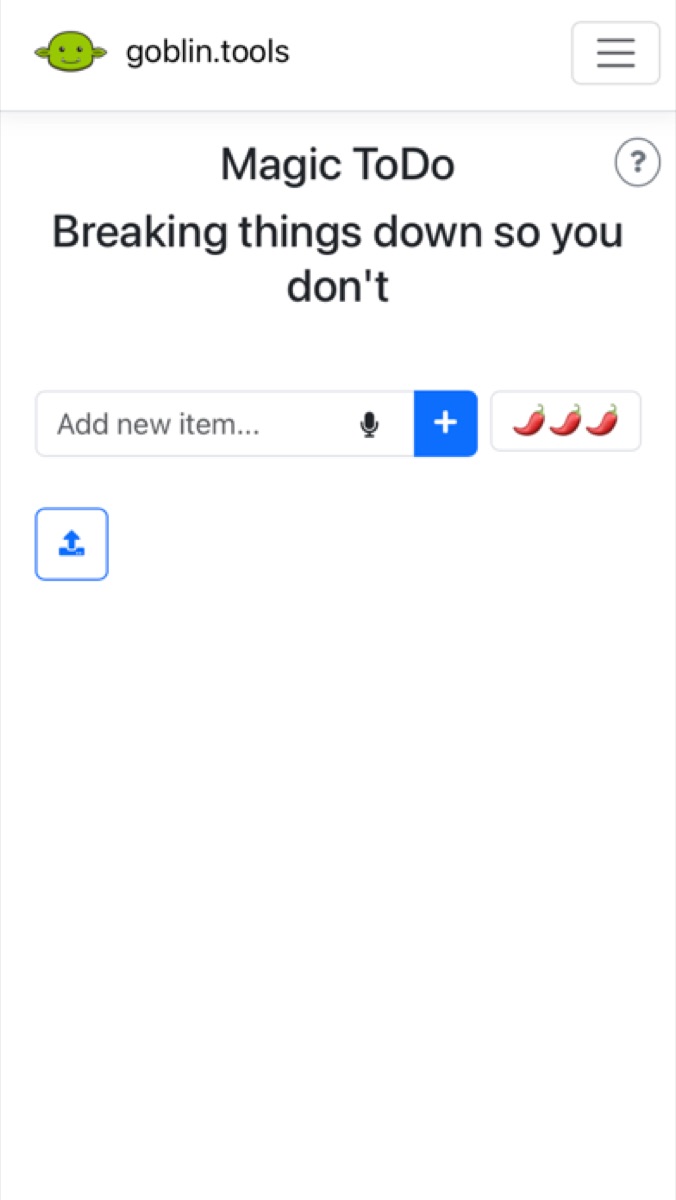
If a task is too tangled to break down yourself, Goblin Tools' Magic ToDo does it for you. You type in the project and it splits it into smaller steps, and its spiciness setting controls how fine-grained the list gets. That takes the planning load off your working memory.
-

Goblin Tools
Goblin Tools
Magic ToDo splits vague tasks into steps; other tools estimate time and tone-check writing.
Goblin Tools
Goblin Tools
Magic ToDo splits vague tasks into steps; other tools estimate time and tone-check writing.
2. Write the next physical action on paper
Don't keep it in your head. Holding an intention in working memory when executive function is strained is like carrying water in your hands.
Write one action with a verb and an object: "Open spreadsheet, click cell B4." "Put shoes on." Skip vague labels like "review finances" or "plan week."
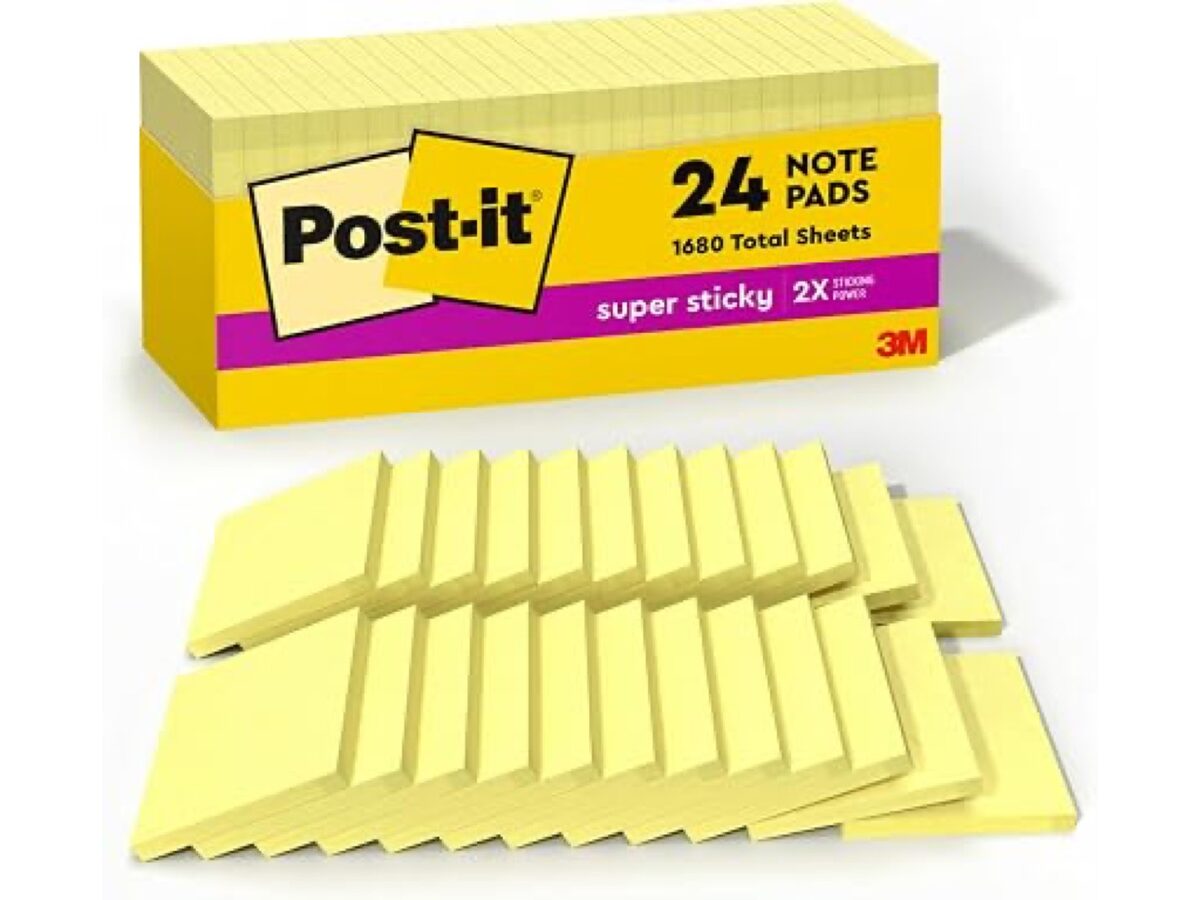
Then put it where you'll see it. 3M says its Post-it Super Sticky Notes have twice the sticking power of its basic notes, so one on your monitor bezel or bathroom mirror should stay put.
-
Post-it Super Sticky Notes
3M
Sticks to monitors and walls—one task per note so your eyes trip over the next step.
Post-it Super Sticky Notes
3M
Sticks to monitors and walls—one task per note so your eyes trip over the next step.
3. Empty your head with a brain dump
When six worries are competing, your brain can't commit to one. Grab a blank sheet and write everything down: tasks, calls, groceries, half-remembered chores. Don't sort it. Just get it out.
Then pick one item. Slide the rest under a folder so it's out of sight.
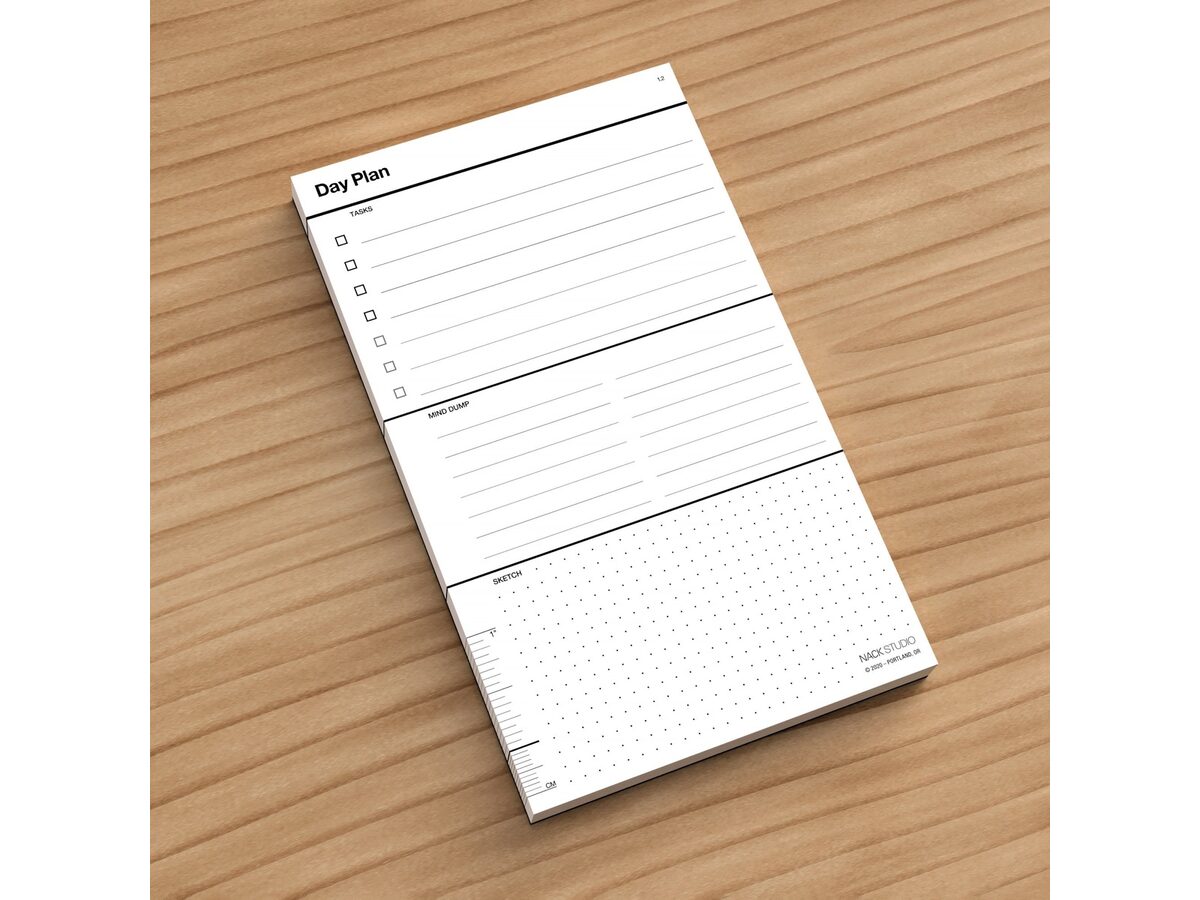
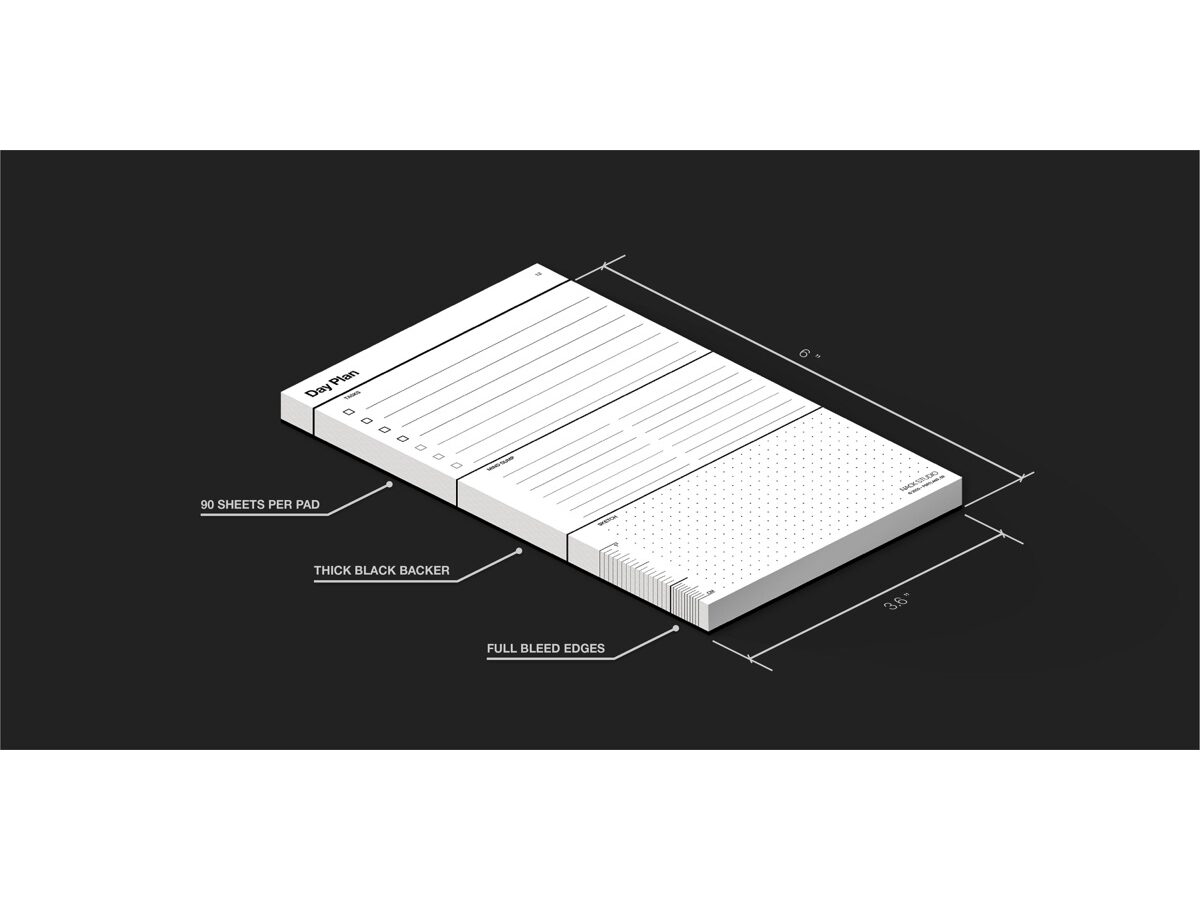
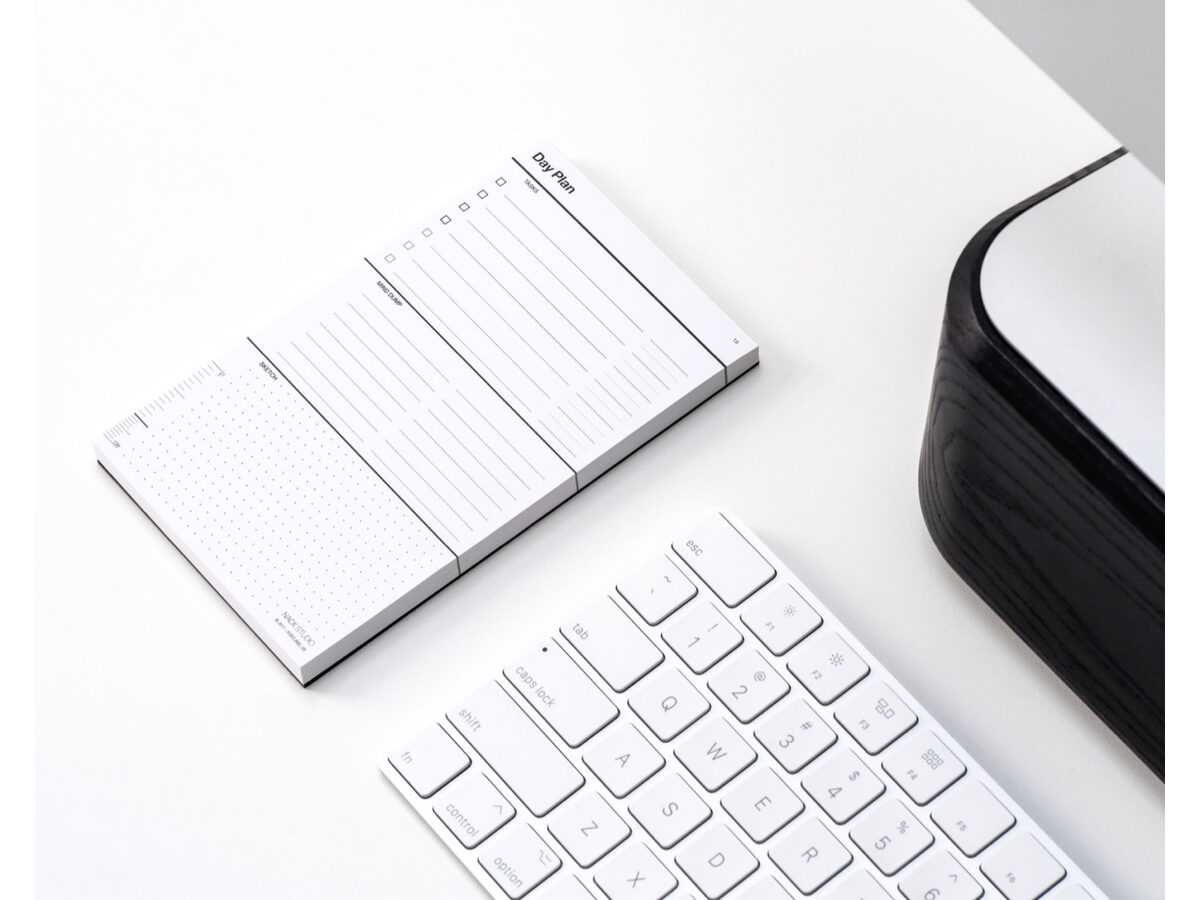
Day Plan, a paper daily planner from the team behind this site, has room for a brain dump and a few daily priorities. Any blank page works too.
-
Day Plan
Nack
One sheet per day: dump everything in Mind Dump, pick your top Tasks, and keep notes in Sketch.
Day Plan
Nack
One sheet per day: dump everything in Mind Dump, pick your top Tasks, and keep notes in Sketch.
4. Set a five-minute timer
Open-ended work looks like hours of strain, and your brain pushes back. So make a deal: five minutes on the tiny step, then you can stop.
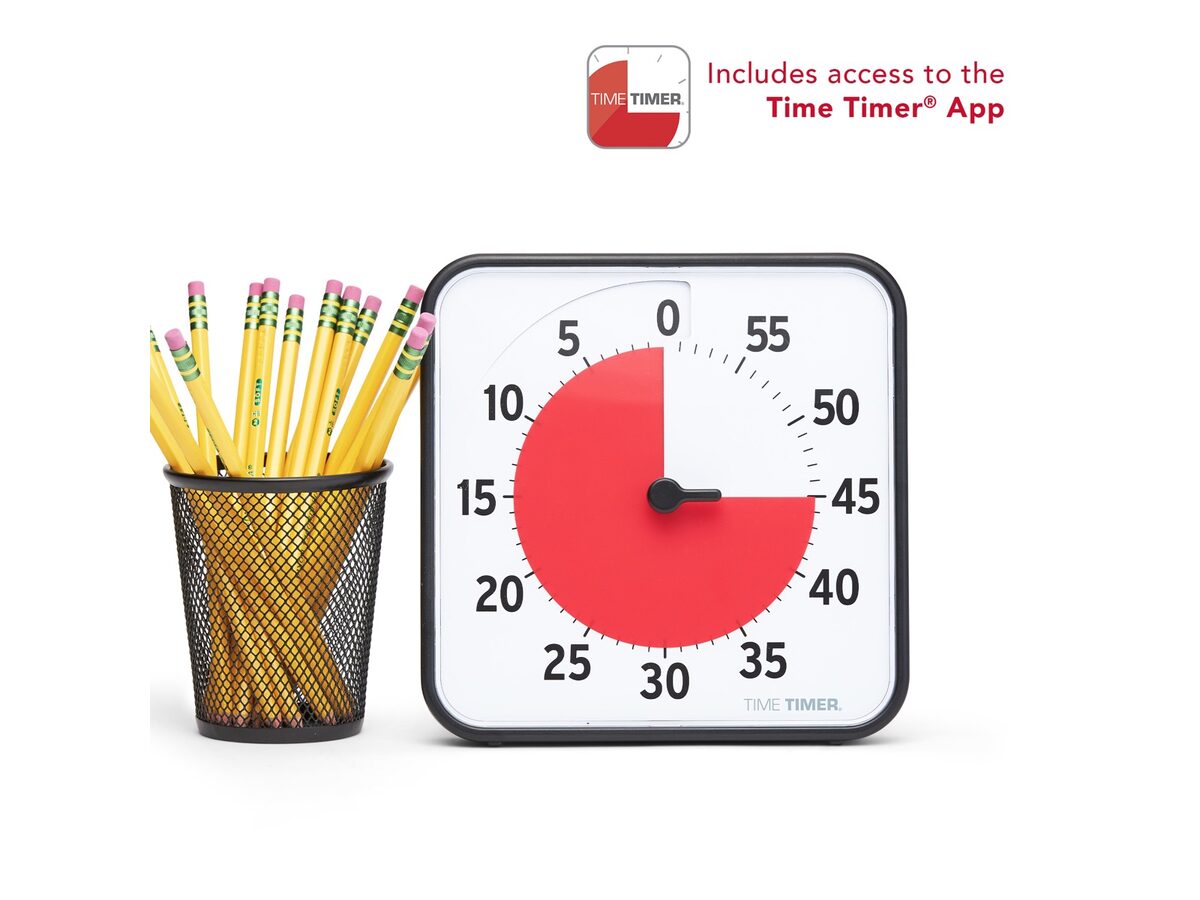
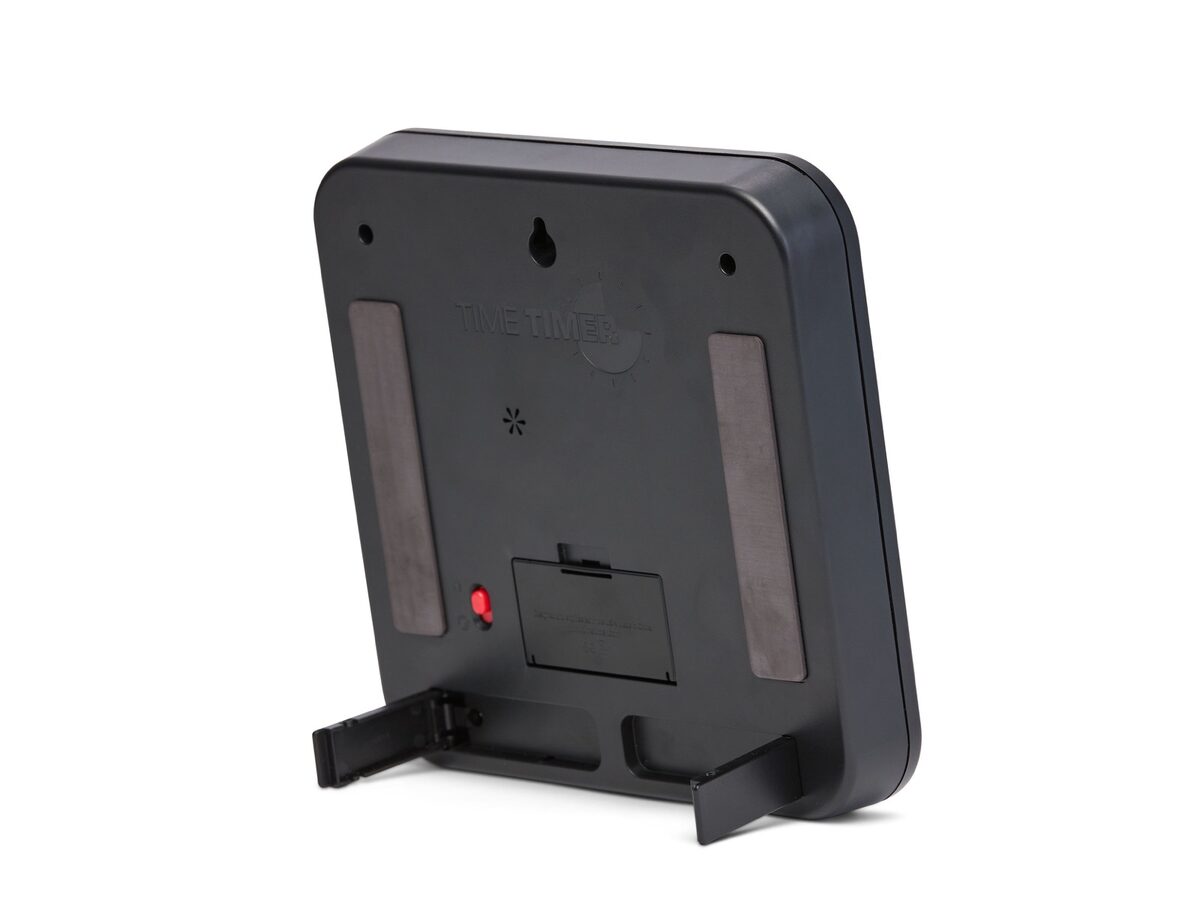
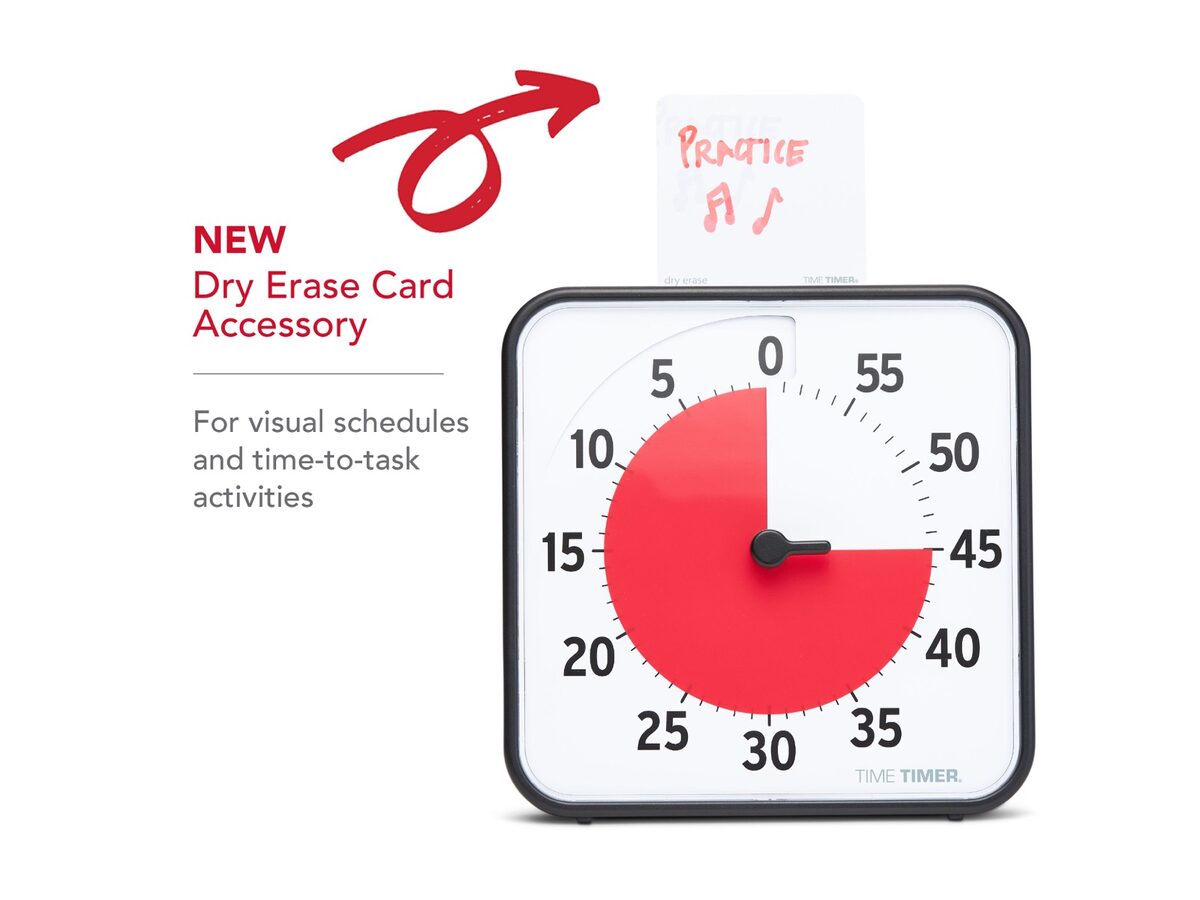
Usually you won't want to. Starting is the hard part, and momentum tends to take over. A visual timer with a shrinking red disk makes the five minutes concrete without pulling you into your phone.
-
Time Timer
Time Timer
Red wedge shrinks as minutes pass—time left at a glance, no mental math on a digital clock.
Time Timer
Time Timer
Red wedge shrinks as minutes pass—time left at a glance, no mental math on a digital clock.
If a straight timer doesn't suit you, our guide to Pomodoro alternatives for ADHD covers other ways to pace your work.
5. Change your posture or your room
Freezes often happen in the same slouched spot, staring at the same corner of the screen. That spot starts to feel like part of the problem.
Break the loop. Stand up, drink some cold water, walk outside for ninety seconds, or move to the floor. A change in temperature, light and posture won't fix anything on its own, but it can be enough to shake you loose.
6. Add quiet company
If you keep stalling alone, bring someone in. A partner at the kitchen table for ten minutes works. So does a friend on video.
Our guide to body doubling for ADHD covers the research and the platforms, including Focusmate.
When none of it works
Sometimes you run the whole list and still can't move. Pushing harder usually adds shame, not momentum.
Check the basics instead:
- Have you slept under seven hours for several nights?
- When did you last drink water or eat something with protein?
- Have you been on screens for six hours straight?
- Are you under heavy stress or close to burnout?
If the answer to any of those is yes, the freeze may be your brain telling you it's out of fuel. Scolding yourself won't refill it.
Rest properly. Scrolling while telling yourself you should be working isn't rest. Close the laptop, put your phone in another room, and lie down for twenty minutes or walk around the block.
If severe paralysis hits most days and gets in the way of work, school or basic self-care, talk to a qualified clinician or an ADHD coach about treatment options and accommodations.
Related reading: ADHD time blindness and why you can't focus can help you build a routine that fits how your brain works.
FAQ
Is ADHD paralysis an official medical diagnosis?
No. It's an informal term used by patients, clinicians and coaches. It describes a breakdown in task initiation and decision-making, often in people with ADHD.
What is the difference between ADHD paralysis and procrastination?
Procrastination is usually a choice to delay, often with little distress until a deadline nears. ADHD paralysis feels involuntary: you want to start, you can't, and you feel awful about it while you're stuck.
Can ADHD paralysis affect leisure activities?
Yes. Picking a movie, deciding on dinner or starting a hobby project can trigger the same overload and freeze as a work task.
Does ADHD medication cure task paralysis?
Medication can help some people with executive function and getting started, but it doesn't choose what you focus on. Timers, tiny steps and clear lists still help. Medication questions belong with your prescriber.
Sources
- Behavioral inhibition, sustained attention, and executive functions: Constructing a unifying theory of ADHD (opens in a new tab) – Psychological Bulletin, 1997
- Executive Functions and Attention Deficit Hyperactivity Disorder: Implications of two conflicting views (opens in a new tab) – International Journal of Disability, Development and Education, 2006
- What Is ADHD Paralysis? How To Overcome It (opens in a new tab) – Cleveland Clinic, 2023
- What Is ADHD Paralysis? (opens in a new tab) – Child Mind Institute, 2024
- Executive Function: 7 ADHD Planning, Prioritizing Deficits (opens in a new tab) – ADDitude Magazine, 2025
- About Goblin Tools (opens in a new tab) – Goblin Tools, 2026
- Post-it Super Sticky Notes Product Specifications (opens in a new tab) – 3M, 2026
- Innovative & Award Winning Visual Timer (opens in a new tab) – Time Timer, 2026
This guide is general information, not medical advice. If focus problems are getting in the way of work, school, or relationships, talk with a doctor or licensed clinician.